

Dealing with hair loss is rarely just about the physical change in the mirror. For many men and women across the UK, thinning hair or a receding hairline can feel like losing a part of their identity. It affects confidence in social situations, impacts how we feel in professional environments, and can even change how we perceive our own age. When someone starts looking for solutions, they aren’t just looking for surgery; they are looking for a way to feel like themselves again. This is where the expertise of a specialist like Dr Bonaros becomes so vital.
In recent years, the hair transplant industry has grown significantly, but with that growth comes a lot of noise. It is easy to get lost in flashy advertisements or promises of cheap procedures abroad. However, hair restoration is a permanent medical procedure that requires a high level of surgical skill and an artistic eye. Choosing a surgeon who understands the psychological weight of hair loss, as well as the technical requirements of the surgery, is the first step toward a successful outcome.
Why a doctor led approach is so important
One of the most significant concerns in the modern hair restoration industry is the rise of ‘technician-led’ clinics. In these environments, the primary surgeon might only be present for a few minutes, leaving the bulk of the delicate work to assistants. When you choose Dr Bonaros, you are opting for a doctor-led experience where the surgeon is involved in every critical stage of the process. This ensures that the medical standards remain high and that the aesthetic vision discussed during the consultation is actually executed during the procedure.
A doctor-led approach means that your donor hair is managed responsibly. Since donor hair is a finite resource, it must be used wisely to ensure that you have enough coverage for the current procedure while also leaving options open for the future should further hair loss occur. This level of long-term planning is something that only an experienced medical professional can provide.
What to expect during your first meeting with Dr Bonaros
The journey usually begins with a thorough consultation. Unlike many high-street clinics where you might speak to a salesperson first, meeting with the surgeon directly allows for a realistic assessment of what can be achieved. During a session with Dr Bonaros, several factors are taken into account to create a bespoke plan:
- The current stage of hair loss and the stability of the donor area.
- The patient’s age and the likelihood of future hair thinning.
- The desired density and the shape of the new hairline.
- Medical history and any underlying conditions that might affect hair growth.
- A clear explanation of the surgical techniques and the recovery timeline.
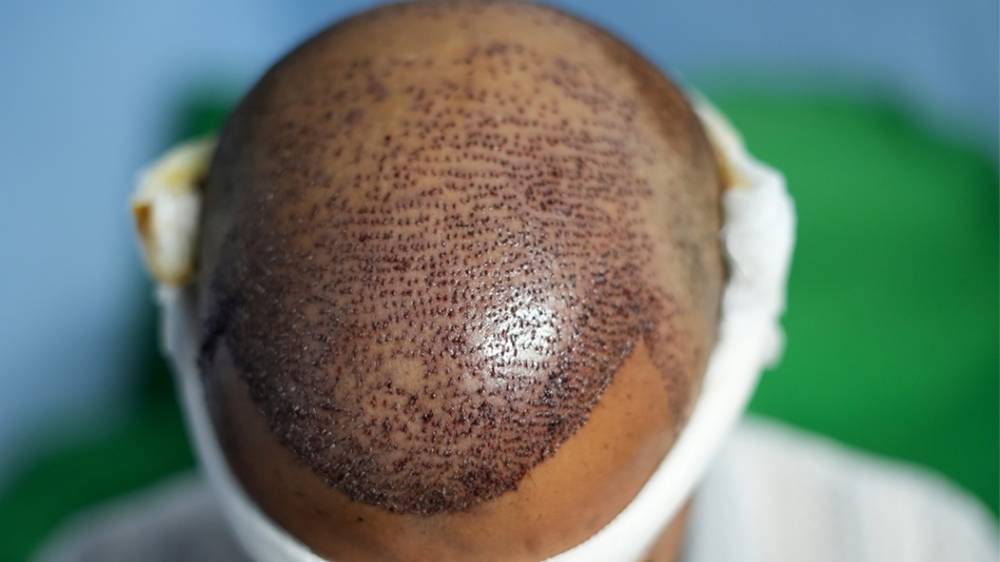
Understanding the FUE technique and how it works
Follicular Unit Extraction, or FUE, has become the gold standard in hair restoration because of its minimally invasive nature and the natural-looking results it produces. During this procedure, individual hair follicles are extracted from the back and sides of the head (the donor area) and then carefully implanted into the thinning or balding areas (the recipient area). Because the follicles are removed one by one, there is no need for a large linear scar, which was a common drawback of older methods.
The precision required for FUE is immense. Each follicle must be extracted with care to avoid damage, and the angle of implantation must mimic the natural growth pattern of your existing hair. This is why the skill of the surgeon is the most important factor in how the final result looks. Dr Bonaros specialises in this technique, ensuring that the transition between the transplanted hair and the original hair is seamless.
Why the FUE method is often the preferred choice
Many patients prefer FUE for a variety of reasons, ranging from the physical recovery to the aesthetic freedom it provides. Some of the main benefits include:
- Minimal scarring, which allows patients to wear their hair short if they choose.
- A faster recovery time compared to traditional ‘strip’ surgery.
- Reduced post-operative discomfort and a quicker return to daily activities.
- The ability to harvest hair from different parts of the donor area to achieve a balanced look.
The delicate art of creating a natural hairline
Surgery is only half of the battle; the other half is artistry. A common fear among people considering a hair transplant is that the result will look ‘pluggy’ or artificial. A poorly designed hairline is often a giveaway that a procedure has taken place. To avoid this, a surgeon must consider the natural irregularities of a human hairline. No one has a perfectly straight line of hair across their forehead; there are subtle peaks, troughs, and variations in density.
When designing a hairline, Dr Bonaros looks at the facial proportions of the patient to ensure the new hair frames the face correctly. The direction in which the hair is planted is also crucial. Hair on the scalp grows at different angles depending on its location. If the transplanted hair is not angled correctly, it will never look natural, no matter how much density is achieved. By meticulously placing each graft, the goal is to create a result that even a hairdresser wouldn’t be able to identify as a transplant.
What happens after the surgery is finished
The procedure itself is just one day, but the process of hair growth takes time. Patience is a requirement for anyone undergoing hair restoration. After the surgery, the transplanted hairs will typically fall out within a few weeks—this is a normal part of the process known as ‘shock loss’. The follicles themselves remain healthy beneath the skin and will begin to produce new, permanent hair after a few months.
Ongoing support is a hallmark of the service provided by Dr Bonaros. Patients aren’t just sent home with a set of instructions; they are guided through the recovery phase with follow-up appointments to monitor progress. This ensure that the scalp is healing correctly and that the patient feels supported as they wait for their new hair to grow in. Full results are usually visible between twelve and eighteen months after the procedure.

Essential steps for a smooth recovery
To get the best possible results, patients need to follow a specific aftercare routine in the days following the surgery. This typically involves:
- Keeping the recipient area clean and hydrated using a specialised spray.
- Avoiding strenuous exercise for at least two weeks to prevent swelling and graft displacement.
- Sleeping in a slightly upright position for the first few nights.
- Following a gentle washing routine as prescribed by the clinic.
- Protecting the scalp from direct sunlight and harsh weather during the initial healing phase.
Finding the right clinic in the heart of Glasgow
For those living in Scotland and the North of England, having access to a world-class surgeon locally is a significant advantage. The clinic run by Dr Bonaros in Glasgow provides a discreet and professional environment where patients can discuss their concerns openly. Being able to visit the clinic for face-to-face follow-ups adds a layer of security and trust that is often missing when people travel long distances for surgery.
The decision to undergo a hair transplant is a big one, often involving years of thinking and researching. By choosing a surgeon who prioritises patient safety, medical ethics, and natural-looking results, you can move forward with confidence. Whether it is addressing a receding hairline, thinning at the crown, or even beard restoration, the focus remains on providing a personalised experience that reflects the unique needs of every individual who walks through the door.

A designer and writer who specialises in handcrafted stationery and minimalist home accents. Alice focuses on timeless aesthetics, sustainable materials, and the stories behind artisanal paper goods.